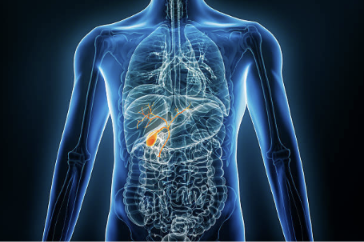
Ganglion Cysts: What They Actually Are, What Causes Them & Your Options
The lump on your wrist has a folk name (“Bible cyst”), a folk remedy (please don’t), and a lot of internet mythology. Here is the honest version, anchored to what the NHS actually says: ganglions are fluid-filled, usually harmless, and not cancer; they often go away on their own; nobody fully knows what causes them (not vitamin deficiency); and when one does need treating, there are NHS and private routes worth understanding before you pay anyone. This is general information, not medical advice — lumps are for clinicians to diagnose, not websites.
Quick Answer
Found a lump? Read this first.
This page is general information, not medical advice, and no article can tell you what a lump on your body is — only a clinician who examines it can. The NHS advises seeing a GP about any lump that is hard, does not move, or is getting bigger, and seeking urgent care if a lump is very painful, hot or red. If that describes yours, book the appointment before reading on.
A ganglion cyst is a smooth, fluid-filled lump under the skin, most often on the wrist or hand and sometimes the foot or ankle, ranging from smaller than a pea to several centimetres. Per the NHS: they are usually painless (though they can ache with movement or press on a nerve), they are not cancer, the cause is often unknown — sometimes fluid leaking from a joint or tendon sheath after irritation or injury, and they are more common in women — and they usually get better without treatment, over several months to a year.
When one does bother you — pain, limited movement, numbness, or you simply want it gone — the treatment ladder runs from needle aspiration and steroid injection to surgical removal. The honest UK wrinkle: NHS treatment focuses on cysts causing pain or limiting function, so removal of a painless cyst for appearance alone is often not offered locally — which is where private removal comes in, covered in our dedicated guide. And whatever you do: do not smash it with a book. The name “Bible cyst” records the method, not an endorsement.
On this page
What a Ganglion Cyst Is — and What It Isn’t
A ganglion is a sac of thick, jelly-like fluid that forms near a joint or tendon sheath and shows up as a smooth, soft lump under the skin. It moves slightly, it may change size, and per the NHS it is usually painless — discomfort, when it comes, is typically with or after movement of the nearby joint, and occasionally a cyst presses on a nerve and causes aching, tingling or numbness. It is not cancer, it is not contagious, and it is one of the most common lumps hand clinics see.
What it isn’t — and this is where our honesty rule does its most important work: it isn’t something you can diagnose from a webpage. Plenty of things can make a lump near a joint, most of them harmless, a few of them not, and the features that distinguish them are exactly what a clinician’s examination (and sometimes an ultrasound scan) is for. The NHS’s own rule of thumb bears repeating from the box above: a lump that is hard, does not move, or is growing belongs in front of a GP; one that is suddenly very painful, hot or red needs urgent care. Everything else on this page assumes a clinician has told you “that’s a ganglion” — not that a search engine has.
As for the nickname: it is called a Bible cyst because the traditional “cure” was to slam the family’s heaviest book down on it. The name survives; the method should not — the FAQ below explains why clinicians want it retired.
Wrist, Hand, Foot, Knee: Where They Appear
- The wrist — the classic site, most often the back of the wrist, sometimes the palm side. Wrist ganglions are the ones that ache with push-ups, planks and typing marathons.
- The hand, fingers and thumb — small cysts at the last finger joint or at the base of a finger in the palm are common ganglion variants; palm-side ones can make gripping uncomfortable.
- The foot and ankle — typically the top of the foot, where shoes press on them; often the reason foot ganglions get treated is footwear, not danger.
- The knee — with a decode. A fluid swelling behind the knee is very often a Baker’s cyst, a related-but-different thing arising from the knee joint itself and frequently linked to something going on inside the knee. True ganglions do occur around the knee and elbow, but “cyst behind the knee” is its own diagnostic question — another reason the examining clinician, not the article, gets the final word.
What Causes Them — Including the Vitamin Myth
The honest answer, straight from how the NHS puts it: the cause is often unknown. The leading understanding is mechanical — synovial fluid leaking from a joint capsule or tendon sheath and pooling in a sac — sometimes following injury or repeated irritation of the joint. They are notably more common in women. That is genuinely most of what medicine can say with confidence, and pages claiming to know more are selling something.
Which brings us to the myth with its own search volume: no, ganglion cysts are not caused by a vitamin deficiency. There is no good evidence linking any vitamin or mineral deficiency to ganglions, and no supplement has been shown to shrink, cure or prevent one. The claim circulates because “deficiency” myths attach themselves to almost every benign condition on the internet — they offer a fixable-sounding cause and a purchasable-sounding cure. Save the supplement money; if you want to spend on the cyst, spend it on a clinician’s opinion.
Do They Go Away? The Watch-and-Wait Truth
Frequently, yes. The NHS states that ganglion cysts usually get better without treatment, over several months and up to a year — which is why the first plan for a confirmed, painless ganglion is often no plan at all. While waiting, the NHS lists the simple measures people use: over-the-counter anti-inflammatories for discomfort, and a wrist support or compression wrap where movement aggravates it. Two boundaries on sensible waiting:
- The golden rule, per the NHS: do not attempt to burst it — not with a needle at home, not with pressure, and not with the ancestral book. Bursting risks infection and skin damage, and because the cyst’s root remains attached underneath, it commonly refills anyway. The popping videos are entertainment, not instruction.
- Waiting follows diagnosis, not the other way round. Watch-and-wait is a strategy for a lump a clinician has confirmed as a ganglion. A lump you have diagnosed yourself and decided to ignore for a year is a different proposition — see the box at the top.
Treatment Options: NHS & Private Routes
When a confirmed ganglion hurts, limits movement, presses on a nerve, or simply refuses to leave, the treatment ladder — as the NHS describes it — runs:
- Needle aspiration — draining the fluid with a needle, sometimes with a steroid injection. Quick and low-drama; the trade-off is that aspirated cysts refill more often than surgically removed ones.
- Surgical removal — excising the cyst and its root. The NHS’s own framing on recurrence is admirably straight: once removed it usually does not return, but sometimes it can.
The UK reality that sends people to pages like this one: NHS treatment focuses on cysts that cause pain or limit function. Removal of a painless cyst for appearance alone is often not offered locally, and even qualifying minor procedures can carry a wait. That is the gap the private route fills — seen in weeks, treated on your schedule. Our ganglion cyst removal guide covers the private pathway properly; as market-typical orientation, an initial consultant appointment usually runs £150–£250 and private surgical excision commonly lands in the £1,500–£3,000 range depending on site and anaesthetic — always a fixed written quote, never an estimate.
Where insurance fits: health insurance generally covers the consultant assessment and clinically indicated treatment — a painful or function-limiting cyst — rather than purely cosmetic removal, and as always it covers conditions that arise after the policy starts. If a lump appearing one day would send you straight down the private route, the policy needs to exist before the lump does; that ordering logic, and whether cover is worth it for you at all, is weighed honestly in our guide.
FAQs: Ganglion Cysts (2026)
Why is a ganglion cyst called a Bible cyst?
Because of how people used to treat them. For generations the folk remedy for a ganglion was to slam the heaviest book in the house down on it — and in most houses that was the family Bible — bursting the cyst under the skin. The name stuck; the method deserves to die out. The NHS is plain about it: do not attempt to burst a ganglion cyst, because doing so risks infection and damage to the skin — and, since the cyst’s root structure is still attached to the joint or tendon sheath underneath, smashed cysts commonly refill anyway. So the honest summary of the Bible method is: it hurts, it can introduce infection into your hand, it can injure the tissue around the joint, and the cyst often comes back regardless. Whatever satisfaction the internet’s cyst-popping videos offer, clinicians drain ganglions with a needle under controlled conditions for good reasons. Leave the Bible for reading.
Are ganglion cysts caused by a vitamin deficiency?
There is no good evidence for that, despite how often the internet suggests it. The honest scientific answer, reflected in NHS information, is that the cause of most ganglion cysts is not fully known — they are thought to arise when synovial fluid leaks from a joint or tendon sheath and collects in a sac, sometimes after injury or joint irritation, and they are notably more common in women. No vitamin or mineral deficiency has been shown to cause them, and no supplement has been shown to cure or prevent them — so money spent on vitamins to treat a ganglion is money spent on the placebo aisle. The practical takeaway: if you have a confirmed ganglion, supplements are not the fix; and if you have unexplained symptoms alongside a lump — fatigue, tingling, anything systemic — that combination is a conversation for a GP, not a supplements search, because it may point at something other than the ganglion.
Do ganglion cysts go away on their own?
Often, yes — and this is the most financially useful fact on this page. The NHS states that ganglion cysts usually get better without treatment, though it can take from several months up to a year, and many clinicians take a watch-and-wait approach to painless cysts for exactly that reason. While waiting, the NHS lists simple measures people use — over-the-counter anti-inflammatories for discomfort, and a wrist support or compression wrap where movement aggravates it — alongside the one firm instruction: do not burst it yourself. Reasons a clinician takes a cyst more seriously and worth acting on sooner: growth, pain that limits what you can do, numbness or tingling (a cyst can press on a nearby nerve), or any of the red flags in the box at the top of this page. And one honest caveat about waiting: it only makes sense once a clinician has confirmed the lump is a ganglion — self-diagnosing a lump and then waiting a year on your own diagnosis is the version of patience nobody sensible endorses.
How much does private ganglion cyst removal cost, and will the NHS do it?
The NHS route first, honestly: treatment is generally offered when a cyst causes pain or limits function — options run from needle aspiration (draining) and steroid injections to surgical removal. But many NHS areas do not prioritise removing painless cysts for appearance alone, and waiting lists for minor elective procedures can be long — which is exactly why private removal exists as a market. Privately, as UK market-typical indications rather than quotes: an initial consultant appointment usually runs £150–£250, aspiration considerably less than surgery, and surgical excision commonly lands in the £1,500–£3,000 range depending on site and anaesthetic — always get a fixed written quote. On recurrence, the NHS is refreshingly straight: once a cyst is surgically removed it usually does not return, but sometimes it can, and aspirated cysts refill more often than excised ones — a fair question to put to any surgeon quoting you. Health insurance generally covers consultant assessment and clinically indicated treatment, not purely cosmetic removal — and only for cysts that appear after the policy starts, which is the usual pre-existing-condition logic.
Important Information — Please Read
This 2026 guide is independent general information only. It is not medical advice, it cannot diagnose any lump or condition, and nothing here replaces examination and consultation with a GP or qualified clinician — no article can tell you what a lump on your body is. Clinical statements on this page reflect published NHS patient information at the time of writing, which can change; treatment suitability is always an individual clinical decision. See a GP about any lump that is hard, immobile or growing; seek urgent care for any lump that is very painful, hot or red; and use NHS 111 for urgent concerns or 999 in an emergency. Never attempt to burst or remove a cyst yourself. Price ranges given are UK market-typical indications, not quotes — confirm directly with providers. Going Private UK is not affiliated with the NHS or any provider named. If you compare insurance quotes through this site, we may receive a commission from our FCA-regulated partners at no cost to you; this does not influence our guides.
Thinking About Cover?
Compare health insurance from Bupa, AXA, Aviva & Vitality — priced for your age, free.
See My PriceFree · Independent · No obligationCover