Hiatus Hernia: Symptoms, Diet & Treatment
That burning behind your breastbone, the acid taste, the burping that will not stop — a hiatus hernia is one of the most common hidden causes, affecting up to 1 in 3 people at some point. This guide covers the symptoms (including the ones people miss), the red flags that need a doctor, the diet changes that genuinely help, and every treatment option from Gaviscon to keyhole surgery — honestly, in plain English.
Quick Answer
A hiatus hernia is when part of the stomach slides up through the opening (the hiatus) in the diaphragm into the chest. The hernia itself often causes no symptoms at all — when symptoms do appear, they’re the symptoms of acid reflux it allows: heartburn, an acid taste, regurgitation, burping, feeling sick, and sometimes a hoarse voice, sore throat or a lump-in-the-throat feeling.
Most cases are managed with diet changes and medication — surgery is a last resort. But some symptoms are red flags: food sticking when you swallow, unintentional weight loss, vomiting blood or black stools need prompt medical attention. Full symptom list, the diet that helps, and every treatment option below.
On this page
What a Hiatus Hernia Is (and Isn’t)
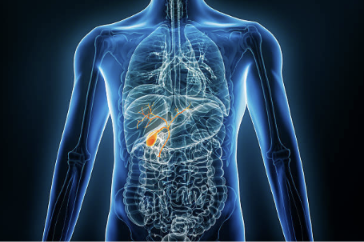
Your diaphragm — the sheet of muscle separating chest from abdomen — has a small opening called the hiatus, which your oesophagus (food pipe) passes through on its way to the stomach. A hiatus hernia is when part of the stomach squeezes up through that opening into the chest. It’s extremely common: some studies suggest up to a third of people develop one, most often in middle age, and the majority never know because it causes no symptoms.
There are two main types, and the difference matters:
| Type | What happens | What it means |
|---|---|---|
| Sliding (most common) | The junction of the stomach and oesophagus slides up and down through the hiatus | Usually causes reflux symptoms, if any; managed with lifestyle and medication |
| Rolling (para-oesophageal) | Part of the stomach pushes up alongside the oesophagus and stays there | Less common; surgery is more often considered because of a small strangulation risk |
One clarification worth making early: this is a different condition from the hernias people usually picture — the lumps in the groin or abdominal wall. A hiatus hernia is internal; you can’t see or feel it from outside. If you’ve found a lump, our hernia symptoms guide covers those external types (inguinal, umbilical and the rest).
Hiatus Hernia Symptoms: The Full Picture
Here’s the key to understanding the symptoms: the hernia itself doesn’t hurt. What it does is weaken the natural valve mechanism at the top of your stomach, letting acid escape upward — so hiatus hernia symptoms are really the symptoms of gastro-oesophageal reflux disease (GORD):
| Symptom | What it feels like |
|---|---|
| Heartburn | Burning behind the breastbone, typically after meals, when bending over or lying down |
| Acid regurgitation | Sour or bitter fluid coming up into the throat or mouth |
| Burping & bloating | Excessive wind, especially after eating |
| Feeling sick | Nausea or stomach discomfort, particularly after large meals |
| Throat & voice symptoms | Sore throat, hoarseness, a lump-in-the-throat feeling, night-time cough |
| Bad breath & gum irritation | From acid reaching the mouth, often worse in the morning |
| Discomfort when swallowing | A burning or awareness as food goes down — food actually sticking is a red flag, see below |
Symptoms characteristically flare and settle — worse after big, rich or late meals, alcohol or coffee, and when lying flat or stooping; better when upright and between meals. Many people describe distinct “attacks” after a heavy evening out followed by quiet weeks. That pattern is typical and, on its own, reassuring.
Symptoms in Women
A question searched thousands of times a month, so here’s the honest answer: the symptoms are essentially the same in women and men. The reason it feels different is circumstance — hiatus hernias and reflux are particularly common in pregnancy (pressure from the growing baby plus hormones that relax the stomach valve) and in middle age, and women’s reflux symptoms are somewhat more likely to be atypical or attributed to something else. There is one genuinely important difference in emphasis: heart problems in women more often present as what feels like indigestion. Sudden chest pain that’s tight or heavy, spreads to the arm, neck or jaw, or comes with breathlessness, sweating or light-headedness is a 999 call — never assume it’s the hernia.
Red Flags — When to See a Doctor
Get medical advice promptly if you notice any of these
Food sticking when you swallow, or increasing difficulty swallowing. Unintentional weight loss. Vomiting blood, or black, tar-like stools (digested blood). Persistent vomiting. Symptoms lasting more than three weeks despite over-the-counter treatment — especially with new, persistent indigestion over the age of 55. And severe chest or upper tummy pain with retching can signal a strangulated rolling hernia — that’s an emergency: call 999.
None of these automatically means something sinister — a sticking sensation, for instance, can be caused by simple acid inflammation — but each one earns proper investigation rather than another month of Gaviscon. A GP can refer you; if NHS routes are slow, a private GP appointment, including app-based ones, can get the referral moving within days.
Is It Serious? The Cancer Question, Answered Honestly
“Hiatus hernia cancer symptoms” is one of the most-searched phrases around this condition, so let’s be direct. A hiatus hernia is not cancer and doesn’t turn into cancer. For most people it’s a benign, manageable nuisance. Two honest caveats deserve saying plainly, though:
- Long-term untreated reflux can damage the oesophagus. Years of acid exposure can cause ulcers, scarring, and cell changes known as Barrett’s oesophagus — which slightly increase the risk of oesophageal cancer over time. This is the single best argument for actually treating persistent reflux rather than putting up with it.
- The red flags above overlap with oesophageal cancer’s warning signs. That’s precisely why swallowing difficulty, weight loss and bleeding get investigated quickly — almost always with a reassuring result, but checked properly.
Treat the reflux, take the red flags seriously, and a hiatus hernia is a condition you manage, not one you fear.
How a Hiatus Hernia Is Diagnosed
Two tests do most of the work:
- Gastroscopy (endoscopy) — a thin camera passed down the throat to look directly at the oesophagus and stomach. It confirms the hernia, checks for inflammation, ulcers or Barrett’s changes, and rules out anything more serious. It’s the definitive test. On the NHS the wait for a routine gastroscopy can stretch to months in some areas; done privately it typically happens within days — our private gastroscopy guide covers what it involves and costs, and our endoscopy cost guide has the wider pricing picture.
- Barium swallow X-ray — an alternative where you drink a contrast liquid and X-rays track it; accurate for confirming a hernia, and useful for people who’d rather avoid the camera.
If reflux symptoms are textbook and there are no red flags, doctors often treat first and test only if treatment doesn’t work — a perfectly reasonable approach. Where waits bite hardest is when a test is needed; our guide to NHS waiting times and private options maps the gap.
The Diet & Lifestyle Fixes That Actually Help
For most people this is where the battle is won. None of it is exotic — it’s mechanical: less pressure on the stomach, less acid produced, gravity on your side.
| Change | Why it works |
|---|---|
| Smaller, more frequent meals | Three large meals pressurise the stomach; five small ones don’t |
| Nothing for 3 hours before bed | An empty stomach can’t reflux much when you lie down |
| Raise the bed head 10cm | Blocks or a wedge — not extra pillows, which bend you at the waist and can make it worse |
| Cut the trigger foods | Fatty and fried food, spice, citrus and tomato, chocolate, coffee, fizzy drinks, alcohol — keep a food diary to find your triggers |
| Lose excess weight | Abdominal weight directly pressurises the stomach — one of the strongest levers there is |
| Stop smoking | Smoking weakens the valve and increases heartburn independently |
| Bend at the knees | Stooping after meals squeezes the stomach; squatting doesn’t |
Treatment: From the Pharmacy Shelf to Keyhole Surgery
Treatment follows a sensible ladder, and most people never need the top rungs:
- Nothing. A hiatus hernia with no symptoms needs no treatment at all.
- Antacids and alginates (Rennie, Gaviscon and similar) — neutralise acid or float a protective raft on top of the stomach contents. Fine for occasional symptoms.
- Acid-suppressing medication — proton pump inhibitors (like omeprazole or lansoprazole, available from pharmacies and on prescription) reduce acid production at the source; H2 blockers such as famotidine are an alternative. Very effective for most people, though long-term use is something to review with a doctor rather than drift into.
- Surgery — laparoscopic (keyhole) repair. Considered when medication doesn’t control symptoms, as an alternative to decades of daily tablets, or for rolling hernias with complication risk. The standard operation (fundoplication) pulls the stomach back into place, tightens the hiatus and wraps the top of the stomach around the valve to stop reflux. It’s a well-established keyhole procedure with a short hospital stay.
If surgery is on your horizon, the practical question becomes route and cost. NHS waiting lists for benign upper-GI surgery can be long, since it’s rarely urgent; going private puts the timetable in your hands. Our private hernia surgery guide covers UK prices, what’s included in fixed-price packages and how to choose a surgeon — and if you’re paying for yourself, going private without insurance and the cheapest ways to go private are the two guides to read first.
One honest note on insurance: private health insurance covers new conditions that arise after you take the policy out — a hiatus hernia you already have would be a pre-existing condition and excluded. If you’re dealing with symptoms now, the self-pay route above is the realistic private path for this condition; cover still earns its keep for whatever comes next, and our guide to whether health insurance is worth it weighs that honestly.
FAQs: Hiatus Hernia (2026)
Can hiatus hernia symptoms come and go?
Yes, very commonly. Hiatus hernia symptoms are really the symptoms of acid reflux, and reflux flares and settles depending on what you eat and drink, your weight, stress, posture and even the time of day — many people notice symptoms are worst after large meals, rich or spicy food, alcohol or coffee, and when lying down or bending over. Some people go weeks with no trouble and then have a bad spell, sometimes described as a hiatus hernia attack. Sliding hiatus hernias can also move, so the degree of reflux can genuinely vary. Symptoms that come and go are typical and usually manageable with diet changes and medication, but symptoms that are becoming steadily more frequent or severe, or any red-flag symptoms such as difficulty swallowing or unintentional weight loss, deserve a proper medical assessment.
Are hiatus hernia symptoms different in women?
The core symptoms — heartburn, acid reflux, regurgitation, burping and an acid taste — are essentially the same in women and men. The honest reason this question is asked so often is that hiatus hernia and reflux are common in women in circumstances that raise pressure in the abdomen, particularly pregnancy, when hormonal changes also relax the valve at the top of the stomach, and in middle age, when hiatus hernias become more common generally. Women are also somewhat more likely to have atypical reflux symptoms put down to something else. One important note for everyone, but especially relevant to women: heart problems can be mistaken for heartburn and vice versa, so sudden chest pain that feels tight, heavy or spreads to the arm, neck or jaw, or comes with breathlessness or sweating, is a 999 call, not an antacid moment.
Is a hiatus hernia serious? Can it turn into cancer?
A hiatus hernia itself is not cancer, and for most people it is not serious — many never have symptoms at all, and most who do can control them with diet changes and medication. There are two honest caveats. First, years of untreated acid reflux can damage the lining of the oesophagus, causing ulcers, scarring or cell changes known as Barrett’s oesophagus, which slightly increase the risk of oesophageal cancer over time — one good reason to actually treat persistent reflux rather than live with it. Second, the less common rolling type of hiatus hernia can occasionally strangulate, cutting off its own blood supply, which causes severe chest or tummy pain and being sick, and is a medical emergency. Red flags that warrant prompt investigation include food sticking when you swallow, unintentional weight loss, vomiting blood or black stools, and new persistent indigestion if you are over 55.
What is the best way to sleep with a hiatus hernia?
Two changes make the biggest difference. First, raise the head end of your bed by around 10cm, using blocks or a wedge under the mattress rather than extra pillows — extra pillows bend you at the waist, which can actually increase pressure on the stomach, whereas tilting the whole bed lets gravity keep acid down all night. Second, leave a gap of at least three hours between your evening meal and lying down, so your stomach has largely emptied before you are horizontal. Many people also find sleeping on their left side helps, because of the way the stomach sits, though the evidence for that is more anecdotal than the bed-raising, which is standard NHS advice. If night-time reflux persists despite these changes and over-the-counter treatment, that is a sign it is worth seeing a doctor about longer-term treatment.
What foods should be avoided with a hiatus hernia?
The common triggers are rich, fatty and fried foods, spicy dishes, acidic foods such as citrus and tomato-based sauces, chocolate, coffee and other caffeinated drinks, fizzy drinks and alcohol. Just as important as what you eat is how: smaller, more frequent meals put far less pressure on the stomach than three large ones, eating slowly helps, and avoiding food for the last three hours before bed makes a real difference to night symptoms. Triggers genuinely vary from person to person, so a simple food diary for a couple of weeks — noting what you ate and when symptoms flared — is often the quickest way to find your own pattern. Stopping smoking and losing excess weight both reduce reflux independently of diet, and are the two lifestyle changes with the strongest overall effect.
Important Medical Information
This guide is independent general information, not medical advice, and it cannot diagnose you. Symptoms discussed here overlap with other conditions, including serious ones — always consult a GP or qualified clinician about your own symptoms, especially any red-flag symptoms described above, and before starting, stopping or changing any medication. If you have severe chest pain, difficulty breathing, are vomiting blood, or symptoms of a strangulated hernia, call 999 or go to A&E immediately. Private health insurance covers new, acute conditions, never pre-existing ones, and emergencies go to the NHS. If you compare private health insurance quotes through this site, we may receive a commission from our FCA-regulated partners at no cost to you; this does not influence our guides.
Waiting Lists Got You Down?
Private consultations and tests in days, not months. Compare the UK’s leading insurers free — no obligation.
Compare ProvidersFree · Independent · No obligationCover