Private EEG Test UK (2026): Cost, Types & How to Book
Need an EEG without a long NHS wait? This independent guide explains what a private EEG test costs in the UK, the different types (routine, sleep, ambulatory, video), whether you need a referral, how insurance cover works, and how to book — plus what an EEG actually is and what it’s for.
Compare Health Insurance for Diagnostics
Health insurance with outpatient cover can pay for scans and tests like an EEG when medically needed. Compare leading UK insurers in about 60 seconds — free, no obligation.
Bupa · AXA · Aviva · Vitality · WPA
Compare Cover★★★★★Free · Independent · No obligation
Quick Answer: Private EEG Cost & Booking
A private EEG test in the UK typically costs around £300–£500 for a routine EEG, with an initial neurology consultation ~£200–£300. More involved studies — sleep-deprived, ambulatory (home) or video EEG — can run £600–£1,000+. London clinics sit at the higher end.
An EEG is a painless, non-invasive test that records your brain’s electrical activity to help diagnose epilepsy, seizures, blackouts and sleep disorders. Some clinics accept self-referral; others need a GP/neurologist referral first. With outpatient cover it’s usually covered when medically necessary (with pre-authorisation). Compare cover for diagnostics.
What this guide covers
How Much Does a Private EEG Cost?
Private EEG prices vary by clinic, region, type of test and whether a consultation is included. As an independent 2026 guide (not a single clinic’s quote):
| Item | Indicative UK cost | Notes |
|---|---|---|
| Neurology consultation | £200–£300 | Often needed first; sometimes redeemable |
| Routine EEG | £300–£500 | Standard awake recording |
| Sleep / sleep-deprived EEG | £400–£700 | Reduced sleep beforehand |
| Ambulatory EEG | £600–£1,000+ | Home recording over 1–4 days |
| Video EEG (telemetry) | £800–£1,500+ | Brain activity recorded with video |
Indicative national ranges for 2026 — always confirm the exact price and what’s included with the clinic. London tends to be at the top of each range. See our private price guide and the cheapest way to go private.
💡 Consultation + test — check what’s bundled
Many clinics charge the neurology consultation separately from the EEG itself, so the “EEG price” you see may not include seeing the specialist who orders and interprets it. When comparing quotes, ask whether the price covers the consultation, the recording, and the neurologist’s report — that’s the true all-in cost.
What Is an EEG — and What Is It For?
An electroencephalogram (EEG) is a painless, non-invasive test that records the electrical activity of your brain through small electrodes placed on your scalp. It’s a long-established diagnostic tool used to detect unusual brain-wave patterns.
Doctors use an EEG to help diagnose and monitor:
- Epilepsy and seizures — the most common reason for an EEG
- Blackouts and unexplained episodes of altered consciousness
- Sleep disorders (often with a sleep EEG)
- Investigating memory problems, confusion or certain neurological symptoms
An EEG is usually one part of a wider work-up — a specialist interprets it alongside your symptoms and, often, imaging like a brain MRI. If your symptoms point elsewhere, a neurology consultation is the right starting point.
Types of Private EEG
Standard tests
- Routine EEG — awake recording, ~20–40 minutes
- Sleep / sleep-deprived EEG — reduced sleep beforehand helps reveal certain patterns
Extended studies
- Ambulatory EEG — portable recorder worn at home for up to ~4 days
- Video EEG (telemetry) — brain activity recorded alongside video to capture events
Your consultant recommends the type based on your symptoms — for example, a routine EEG for a first seizure investigation, or an ambulatory/video study if events are infrequent and need capturing over time.
Compare Health Insurance for Diagnostics
If you’d rather not self-pay, health insurance with outpatient cover can fund tests like an EEG when medically needed. Compare leading UK insurers — 60 seconds, no obligation.
Bupa · AXA · Aviva · Vitality · WPA
Compare Cover★★★★★Free · Independent · No obligation
Referral & How to Book
How you access a private EEG depends on the provider:
- Self-referral clinics: some private clinics and neurophysiology centres let you book directly, without a GP referral
- Referral-required providers: others (including many hospital groups) need a GP or neurologist referral first, usually after a consultation
- Insurance claims: if you’re using cover, you’ll almost always need a referral plus pre-authorisation regardless
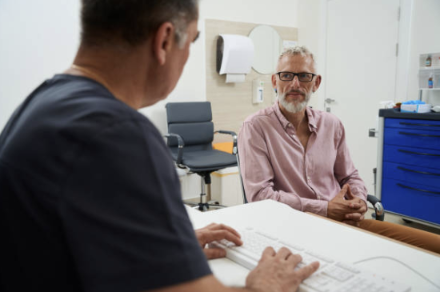
The most common route is a neurology consultation first, where the specialist decides whether an EEG is the right test. See also do I need a GP referral? and how to choose a consultant.
Insurance & Self-Pay
An EEG can be paid for two ways:
🛡️ On insurance
- Usually covered when medically necessary
- Needs a referral + pre-authorisation
- May count towards your outpatient limit
- Screening EEGs (no symptoms) usually excluded
💷 Self-pay
- No policy needed — pay per test
- Faster access, no NHS wait
- Ask for the all-in price (consult + test + report)
- Good for one-off investigations
💡 Already insured? Check before you self-pay
If you hold health insurance with outpatient cover, an EEG is often covered when medically necessary — so get a referral and pre-authorisation rather than paying out of pocket. Not insured, or between policies? Compare cover for future diagnostics. New to insurance? See the health insurance hub.
What to Expect
- Preparation: wash your hair, avoid heavy hair products; your clinic may advise on medications, and for a sleep EEG, on reducing sleep beforehand
- During: small electrodes are attached to your scalp with paste or a cap; you relax, and may be asked to breathe deeply or look at a flashing light
- Comfort: it’s painless with no side effects — the electrodes only detect signals, they don’t send anything in
- Duration: a routine EEG records for ~20–40 minutes; extended studies take longer
- Results: usually within 1–5 days, reported by a neurologist or clinical neurophysiologist
An EEG is often combined with imaging — many neurology pathways use both an EEG and a brain MRI. If you’re weighing scan options, see private MRI, same-day MRI and ultrasound costs. Wondering about wait times? See jumping the NHS waiting list.
🧠 EEG and ADHD — a common question
Some brain patterns linked to ADHD can show on an EEG, but an EEG is not the standard test for diagnosing ADHD — assessment is clinical. If that’s your reason for searching, see private ADHD assessment and whether insurance covers ADHD assessments.
Frequently Asked Questions
How much does a private EEG test cost in the UK?
Private EEG costs vary by clinic, region and the type of test. As a guide for 2026, an initial neurology consultation is often around £200 to £300, and a routine EEG commonly costs around £300 to £500. More involved tests — such as sleep-deprived, ambulatory (home) or video EEG — can cost more, sometimes £600 to £1,000 or above. London clinics tend to sit at the higher end. Always confirm the exact price and what’s included before booking.
What is an EEG test for?
An EEG (electroencephalogram) records the electrical activity of your brain to help detect unusual patterns. It’s used to help diagnose and monitor neurological conditions including epilepsy and seizures, blackouts and unexplained episodes of altered consciousness, and some sleep disorders. It can also be used to investigate causes of memory problems or confusion. It’s a diagnostic tool — a specialist interprets the results alongside your symptoms and other tests.
Is an EEG test painful or does it have side effects?
No. An EEG is painless and non-invasive, with no known side effects. Small electrodes are placed on your scalp with paste or a cap; they only detect your brain’s natural electrical signals and don’t send anything into your body. You’re awake for a routine EEG and can usually return to normal activities immediately afterwards. A sleep or sleep-deprived EEG may require you to reduce sleep beforehand, which is the main inconvenience.
Do I need a referral for a private EEG?
It depends on the provider. Some private clinics accept self-referral and let you book directly, while others require a referral from your GP or a neurologist first, usually after a consultation. If you’re claiming on insurance, you’ll typically need a referral and pre-authorisation regardless. The most common route is a neurology consultation first, where the specialist decides whether an EEG is the right test for your symptoms.
Does health insurance cover an EEG?
Usually yes, when it’s medically necessary and you have outpatient or diagnostic cover. You’ll generally need a referral and pre-authorisation before the test, and the EEG may count towards your outpatient limit depending on your plan. Insurers typically exclude screening EEGs with no symptoms or medical indication. Always check your policy and get authorisation first, or you may have to pay yourself.
How long does an EEG take and when do I get results?
A routine EEG recording usually takes around 20 to 40 minutes, with a little extra time to fit and remove the electrodes. Sleep, ambulatory or video EEGs take longer — ambulatory studies can run for up to a few days at home. Results are usually available within about 1 to 5 days, reported by a neurologist or clinical neurophysiologist, though timescales vary by provider.
What types of private EEG are available?
Common types include a routine (standard) EEG done while you’re awake; a sleep or sleep-deprived EEG, where reduced sleep helps reveal certain patterns; an ambulatory EEG, where you wear a portable recorder at home for up to a few days; and video EEG (video telemetry), which records brain activity alongside video to capture events. Your consultant recommends the type based on your symptoms.
ℹ️ Important Disclaimer
This guide is independent and provides general information about private EEG tests in the UK. Prices are indicative national ranges for 2026, not quotes — actual costs, what’s included, referral rules and insurance acceptance vary by clinic and by your policy, so always confirm directly with the provider and your insurer before booking. This page does not provide medical advice.
An EEG should be arranged and interpreted by a qualified specialist. If you have symptoms such as seizures, blackouts or neurological changes, speak to your GP or a doctor; in an emergency, call 999. We may earn commission when readers compare cover through our links, which funds our research but doesn’t affect our guidance. See our disclaimer and terms.
Insurance
Quote
Compare cover for diagnostics
Bupa, AXA, Aviva, Vitality & more — 60 seconds, no obligation.
Compare providers → FCA regulated · Independent