How to Improve Gut Health Naturally: The Evidence-Based UK Guide
Bloating, sluggish digestion, low energy? Your gut microbiome influences digestion, immunity and even mood — and the good news is that improving it naturally is genuinely simple, cheap and fast-acting. Here’s what the evidence actually supports (and what it doesn’t), the foods and habits that work, realistic timescales, and the symptoms that mean seeing a GP rather than reaching for a supplement.
Avoid the NHS Waiting Times — Compare Top Healthcare Providers Today
If gut symptoms persist, fast access to a GP, gastroenterologist and dietitian matters. Compare the UK’s leading insurers — free, independent, 60 seconds.
Bupa · AXA · Aviva · Vitality · WPA · The Exeter
Compare Providers★★★★★Free · Independent · No obligation
Quick Answer
To improve gut health naturally: eat more and a wider variety of plants (aim toward 30 different plant foods a week and ~30g of fibre a day), add fermented foods (live yoghurt, kefir, sauerkraut, kimchi), cut back on ultra-processed foods, and support it all with hydration, daily movement, good sleep and stress management. Most people notice less bloating and more regular digestion within 1–4 weeks.
The honest headline: diversity of plants beats any single superfood or supplement, food beats pills for most people, and none of this needs an expensive test. Where testing and clinical help genuinely matter is for persistent or red-flag symptoms — covered below.
30 Plants a Week
Diversity is the strongest single predictor of a healthy gut.
Fermented Foods
Live yoghurt, kefir, sauerkraut, kimchi — real cultures.
1–4 Weeks
Noticeable change fast; lasting change over months.
Food > Supplements
Probiotic pills rarely beat a fibre-rich, varied diet.
On this page
Why Gut Health Matters
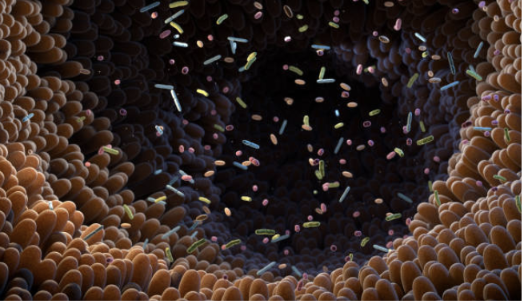
Your gut is home to trillions of microbes — the microbiome — that help digest food, produce certain vitamins, train your immune system and communicate with your brain via the gut-brain axis. A more diverse microbiome is generally a more resilient one, associated with better digestion and broader health. The encouraging part: your microbiome responds quickly to how you eat and live, so everyday choices genuinely shift it — no expensive intervention required. For the wider digestive picture, our gut health hub and guidance on nutrition and health go deeper.
The Evidence-Based Steps That Actually Work
✅ In rough order of impact
- Eat more plant diversity. The strongest single finding in gut research: people eating 30+ different plants a week tend to have more diverse microbiomes than those eating 10 or fewer. Count vegetables, fruit, wholegrains, pulses, nuts, seeds, herbs and spices — variety beats quantity of any one food.
- Hit your fibre. Most UK adults fall short of the recommended ~30g a day. Oats, lentils, beans, apples, wholegrains and flaxseeds feed beneficial bacteria (this is what “prebiotic” means). Increase gradually with plenty of water, or you’ll bloat.
- Add fermented foods. Live natural yoghurt, kefir, sauerkraut, kimchi, miso and kombucha deliver live cultures. A small daily portion is more useful than an occasional large one.
- Cut back on ultra-processed foods. Diets high in UPFs are associated with less microbial diversity; you don’t need perfection, just a shift toward whole foods most of the time.
- Support it with lifestyle. Regular movement, good sleep and stress management, and staying hydrated all measurably influence the gut — the microbiome doesn’t respond to diet alone.
Best Foods for Your Gut
| Type | Foods | What they do |
|---|---|---|
| Prebiotic fibre | Onions, garlic, leeks, asparagus, bananas, oats, apples, pulses | Feed the beneficial bacteria you already have |
| Fermented (probiotic) | Live yoghurt, kefir, sauerkraut, kimchi, miso, kombucha | Add live cultures alongside nutrients |
| Wholegrains | Brown rice, oats, barley, wholemeal bread | Fibre plus slow-release energy |
| Polyphenol-rich | Berries, dark chocolate (70%+), green tea, olive oil, colourful veg | Plant compounds beneficial bacteria thrive on |
No single item on this list is magic — the benefit comes from range and consistency. A colourful, varied, mostly-whole-food diet is the whole strategy; everything else is refinement.
Probiotics & Supplements: The Honest Verdict
⚠️ Save your money more often than not
For general gut health in healthy people, the evidence for over-the-counter probiotic supplements is mixed: benefits are often strain-specific, doses vary wildly, and many products don’t contain the strains actually studied in trials. Fermented foods usually do the job better and cheaper, because they come with nutrients and fibre attached. Probiotics do have proven uses in specific situations — after certain antibiotics, or for particular diagnosed conditions — but that’s a conversation for a GP or registered dietitian, not a supplement-aisle guess. The same caution applies to most “gut health” powders and greens: a varied diet outperforms them.
If you want structured support, a registered dietitian is far better value than any supplement — and for the related digestive conditions people often research alongside this, see our honest guides to food intolerance testing, IBS diagnosis, SIBO and which probiotics have real evidence.
How Long Does It Take?
The microbiome starts shifting within days of a dietary change, and most people feel the difference — less bloating, more regular digestion, often steadier energy — within 1–4 weeks of eating more fibre and fermented foods. But a genuinely diverse, resilient gut is built over months of consistency: it’s a direction of travel, not a 7-day cleanse. Crash approaches followed by a return to old habits simply undo the gains, so the aim is sustainable change you’ll actually keep.
Avoid the NHS Waiting Times — Compare Top Healthcare Providers Today
Persistent gut symptoms deserve a real pathway — GP, gastroenterologist, dietitian. Compare insurers that cover it, free in 60 seconds.
Bupa · AXA · Aviva · Vitality · WPA · The Exeter
Compare Providers★★★★★Free · Independent · No obligation
When to See a Doctor (Not a Supplement)
ℹ Red flags that need a GP, not a diet change
See a GP promptly rather than self-managing if you have: unexplained weight loss, blood in your stool, difficulty or pain swallowing, persistent vomiting, a change in bowel habit lasting more than a few weeks, or symptoms that wake you at night. These can have serious causes that no food or supplement will address. Ongoing bloating or irregularity that isn’t improving with dietary changes is also worth a GP visit — it may be IBS, an intolerance or something else that benefits from a proper diagnosis.
A GP is the right first step — a private GP or your insurer’s included digital GP can move faster if NHS waits are long — and can refer you for validated investigation where needed. On testing: for most people improving gut health naturally, a commercial microbiome test offers limited actionable insight beyond what a good diet already delivers — the genuinely useful tests are specific ones (coeliac serology, a SIBO breath test, investigation of persistent symptoms), and a dietitian is a better spend than a kit.
Does Health Insurance Help?
Not for diet and lifestyle advice or wellness testing — those are self-funded. What insurance can cover is the clinical investigation of persistent digestive symptoms: gastroenterology referrals and validated diagnostics like endoscopy, within outpatient limits and with pre-authorisation (the rules are in does insurance cover diagnostics?). Some policies include dietitian support. So the insurable route isn’t “gut health” in general — it’s the pathway that diagnoses what’s genuinely wrong when symptoms persist.
Avoid the NHS Waiting Times — Compare Top Healthcare Providers Today
Compare which policies cover gastroenterology, diagnostics and dietitian support — free, independent, no obligation.
Bupa · AXA · Aviva · Vitality · WPA · The Exeter
Compare Providers★★★★★Free · Independent · No obligation
Frequently Asked Questions
How can I improve my gut health naturally?
The single most effective step is eating more and a wider variety of plant fibre — aim toward 30 different plant foods a week across vegetables, fruit, wholegrains, pulses, nuts and seeds, and roughly 30g of fibre a day. Add fermented foods (live yoghurt, kefir, sauerkraut, kimchi), cut back on ultra-processed foods, stay hydrated, move daily, sleep well and manage stress. Diversity of plants matters more than any single ‘superfood’ or supplement — the gut bacteria that support digestion, immunity and mood thrive on variety.
How long does it take to improve gut health?
Faster than most people expect at the start, slower to become lasting. The gut microbiome begins shifting within days of a dietary change, and many people notice less bloating and more regular digestion within 1–4 weeks of eating more fibre and fermented foods. But a genuinely resilient, diverse microbiome is built over months of consistent habits — it’s a direction of travel, not a quick fix, and short bursts followed by a return to old eating patterns undo the gains.
Do I need probiotic supplements to improve gut health?
Usually not. For general gut health, food does the job better: fermented foods provide live cultures alongside nutrients, and fibre feeds the bacteria you already have. The evidence for over-the-counter probiotic supplements in healthy people is mixed — strains and doses vary enormously, benefits are often strain-specific, and many products don’t match the strains studied in trials. Probiotics do have proven roles in specific situations (such as after certain antibiotics, or particular conditions), which is a conversation for a GP or dietitian rather than a supplement-aisle guess.
What foods are best for gut health?
Two groups. Prebiotic fibre feeds good bacteria — onions, garlic, leeks, asparagus, bananas, oats, apples, pulses and wholegrains. Fermented foods add live cultures — live natural yoghurt, kefir, sauerkraut, kimchi, miso and kombucha. Beyond specific foods, the strongest evidence points to overall plant diversity: people eating 30+ different plants a week tend to have more diverse microbiomes than those eating 10 or fewer, so variety and colour on the plate beat any single ingredient.
Can poor gut health affect mood and anxiety?
There’s a genuine gut-brain connection — the two communicate constantly, and research links microbiome balance with mood, though the science is still developing and it’s not a simple one-way street. Improving diet, sleep, exercise and stress often helps both gut symptoms and general wellbeing together. Important caveat: gut changes are not a treatment for anxiety or depression. If low mood or anxiety is affecting your life, that deserves proper support from a GP or mental health professional, not a dietary experiment alone.
When should I see a doctor about gut symptoms?
See a GP promptly rather than self-managing if you have any red-flag symptoms: unexplained weight loss, blood in your stool, difficulty or pain swallowing, persistent vomiting, a change in bowel habit lasting more than a few weeks, or symptoms that wake you at night. These need proper assessment because they can have serious causes that no diet or supplement will fix. Ongoing bloating, discomfort or irregularity that isn’t improving with dietary changes is also worth a GP visit — it may be IBS, an intolerance or something else that benefits from a diagnosis.
Are private gut health and microbiome tests worth it?
For most people improving gut health naturally, no — the evidence-based steps (more plants, more fibre, fermented foods, better sleep and movement) don’t require a test, and commercial microbiome tests currently offer limited actionable insight beyond what a good diet already delivers. Where testing genuinely helps is diagnosing specific conditions: coeliac serology, a SIBO breath test, or investigation of persistent symptoms through a GP or gastroenterologist. Spend on a dietitian before a microbiome kit.
Does health insurance cover gut health support?
Not lifestyle or dietary advice, and not wellness testing — those are self-funded. What insurance can cover is the clinical investigation of persistent digestive symptoms: GP access, gastroenterology referrals and validated diagnostics like endoscopy, within outpatient limits and with pre-authorisation. Some policies include dietitian support. If gut symptoms are genuinely affecting your life, that clinical pathway is the insurable route, and it’s more useful than any test kit.
ℹ Important Medical Disclaimer
This guide is general information, not medical or dietary advice. Persistent digestive symptoms — and especially red-flag symptoms such as unexplained weight loss, blood in your stool, difficulty swallowing, persistent vomiting or a change in bowel habit lasting more than a few weeks — should be assessed by a GP, as they can have serious causes that dietary changes won’t address. Don’t delay seeking help for worrying symptoms in favour of self-managing gut health.
Before making major dietary changes, particularly if you have a diagnosed condition, are pregnant, or are changing a child’s diet, check with a GP or registered dietitian. Increase fibre gradually to avoid discomfort. Gut-health changes are not a substitute for treatment of diagnosed physical or mental health conditions.
Going Private UK is an independent publisher. We may earn commission from FCA-regulated insurance partners if you request a quote through links on this page, at no cost to you; this does not influence our editorial guidance, and we recommend evidence-based approaches regardless of commercial relationships. Prices and product details change.
Insurance
Quote
Compare the whole market
Bupa, AXA, Aviva, Vitality & more — 60 seconds, no obligation.
Compare providers → FCA regulated · Independent